

H3 and H4 are two of the most commonly heard, least understood terms in decking — homeowners pick them up from a quote or a hardware store conversation without ever being told what the number actually protects against. Get it wrong on the wrong part of your deck, and it's not a cosmetic issue; it's the difference between a deck that lasts and one that needs bearers replaced years early. Here's exactly what each rating means and where it belongs.
What H3 and H4 Actually Mean (And Why the Number Matters)
Timber treatment hazard classes run on a scale from H1 to H6, each one rated for a specific level of exposure and decay risk under the Australian Standard. For decking, the two that matter are H3 and H4. H3 is treated for above-ground weather exposure — rain, UV, general outdoor conditions — but not for contact with the ground. H4 carries a higher chemical retention and is treated specifically for ground contact and high-decay-hazard situations. The number isn't a quality grade or a price tier; it's a match to a specific job, and using the wrong one means the timber is treated for a different set of conditions than the ones it's actually facing.
Where H3 Belongs on a Deck
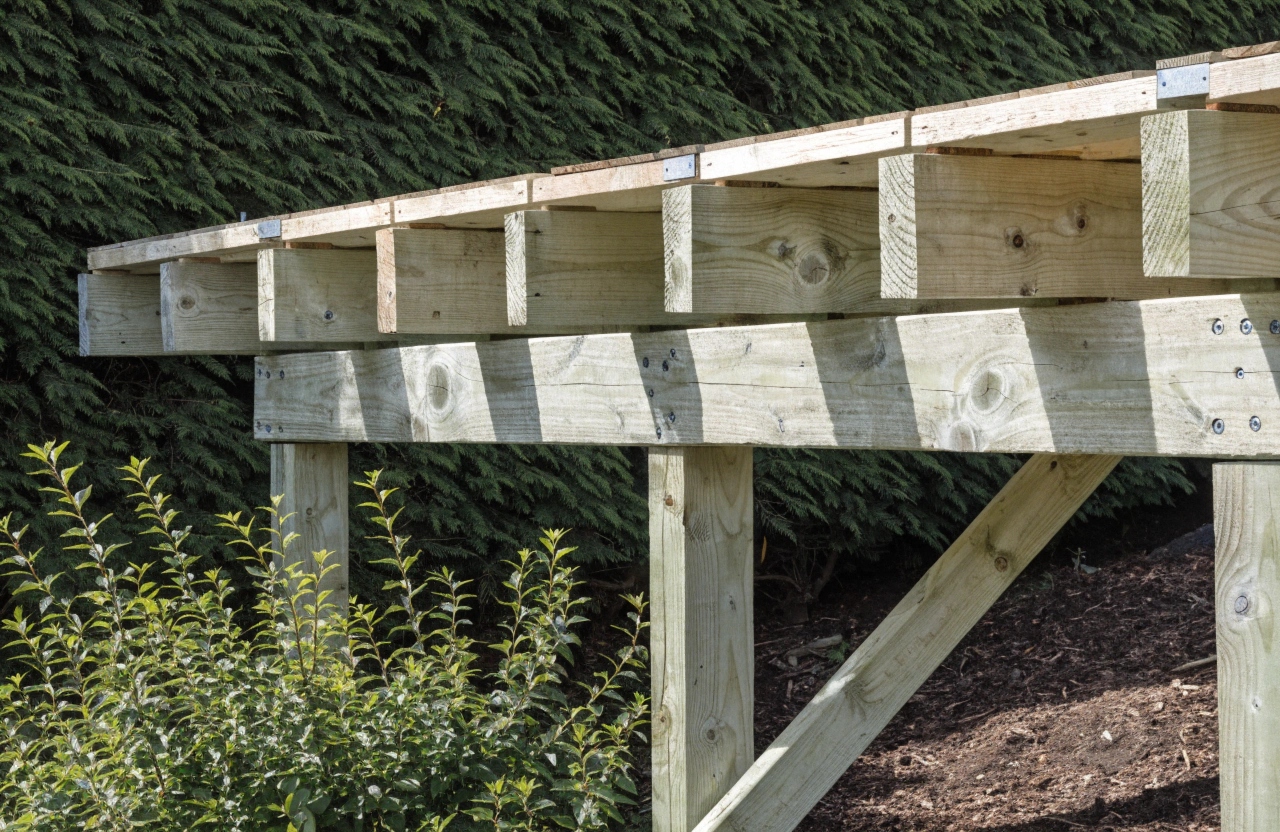
H3 is your standard board treatment for treated pine decking. It covers the visible surface of the deck — the boards you walk on — along with handrails and any other timber that's exposed to weather but sitting clear of the ground with good airflow underneath. Most of a deck's total timber, by volume, is rated H3, because most of a deck's timber is doing exactly that job.
Where H4 Is Non-Negotiable
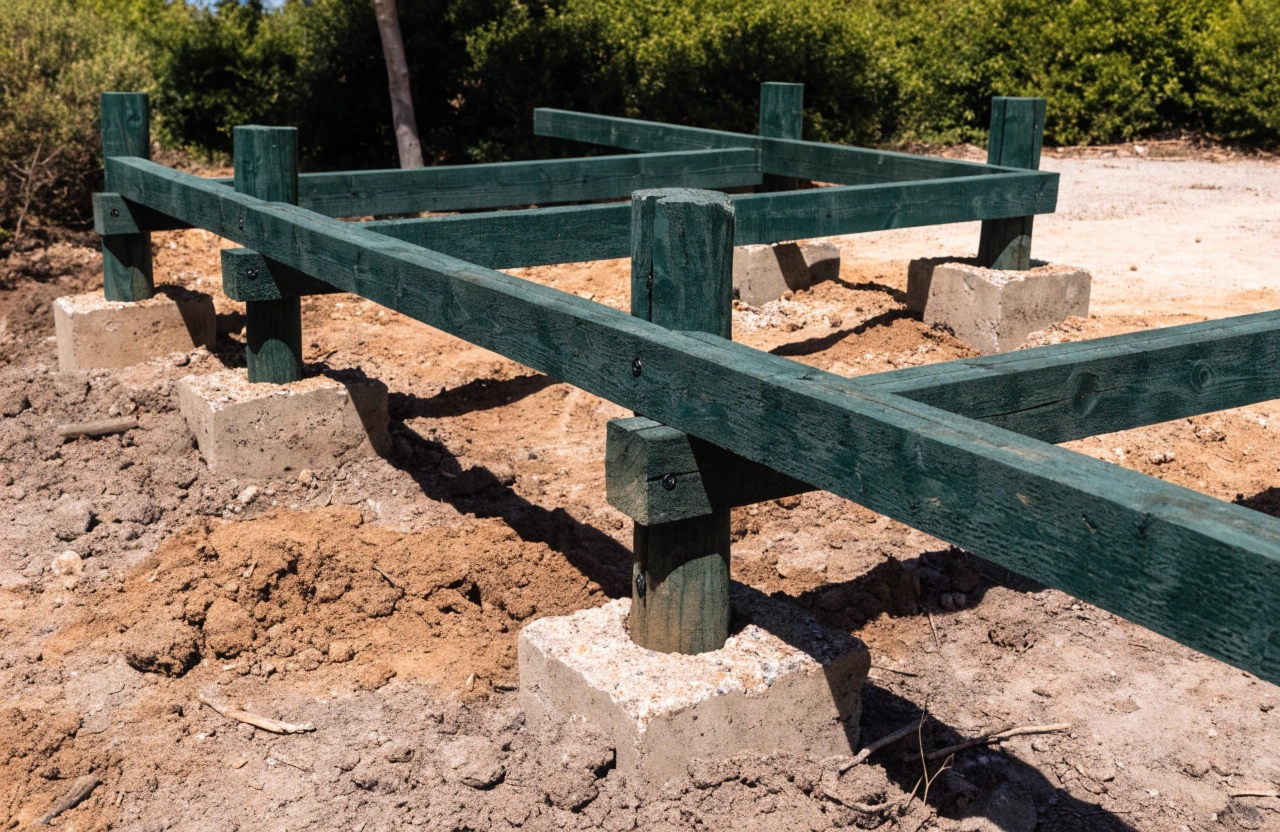
H4 is required for posts in the ground, bearers close to soil, and anywhere moisture can accumulate against the timber. As a rule of thumb, any structural timber within 150mm of the ground should be H4 at minimum. This matters most on elevated decks, where the substructure includes posts and bearers running close to or into the ground — exactly the components that fail first if they're under-treated, since they're carrying structural load while sitting in the highest-decay part of the whole build.
What Happens When Builders Use the Wrong Grade
Using H3 where H4 belongs is one of the most common corners cut on a budget deck build, because H3 timber costs less and the mistake isn't visible on handover day. The problem shows up later — bearers and posts that should last decades starting to soften, sag or rot within a few years, sometimes without obvious surface signs until the deck itself starts to feel unstable underfoot. It's a completely avoidable failure, and one that usually means replacing structural timber rather than a simple repair. If a deck's substructure is sagging or feels less solid than it used to, our deck repair and restoration team can assess whether under-treated timber is the cause.
How to Check What Treatment Your Timber Has
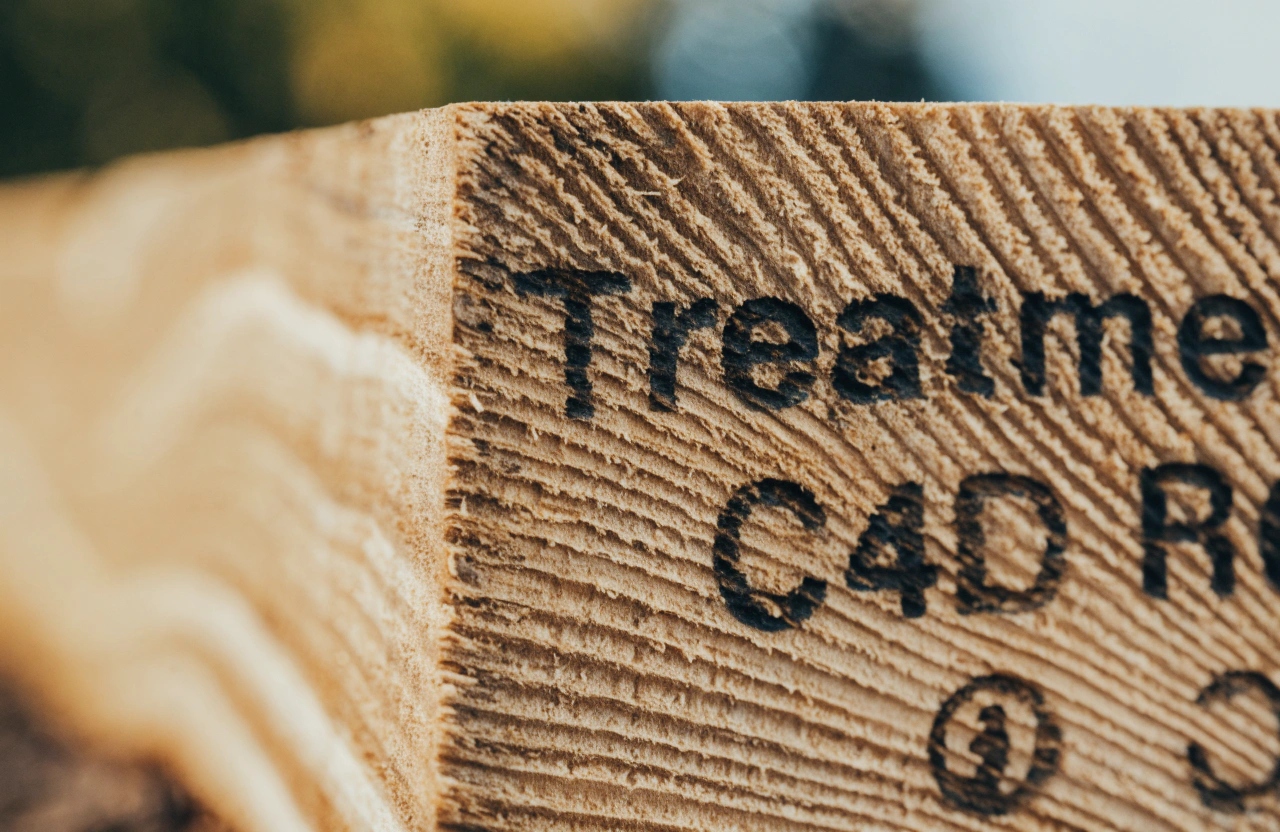
Treated pine is required to carry an identifying mark showing its hazard class — usually a stamp, ink brand, or coloured end tag on the timber itself. If you're checking an existing deck or timber that's about to be used, look for that marking before assuming. For a new build, the treatment level for each component should be specified in the job's documentation, not left as an assumption — it's a detail worth confirming explicitly when you're getting a custom deck design and build quoted, rather than after the frame is already up.
Central Coast Conditions and Why This Matters More Here
The Central Coast sits in a genuinely high-hazard zone for timber decay: salt-laden air, high humidity, and active termite populations all work against under-protected timber faster than they would inland. The Australian Standards already account for this in how hazard classes are defined, but getting the match right for each part of your deck matters more here than it would in a drier, inland climate — which is exactly why we treat H3/H4 specification as a standard part of every quote rather than an afterthought.
H3 and H4 aren't interchangeable, and getting them right the first time is one of the cheapest ways to protect a deck's structural life. If you'd like your existing deck or a new build checked, get in touch.