

Ekodeck comes in two ranges — Plus and Standard — and the difference between them trips up a lot of Central Coast homeowners at quote stage. Both are built from the same rice husk and polymer composite core, both skip the sanding, oiling, and staining timber demands, and both resist termites and rot. The difference comes down to one thing: a protective cap layer. Here's what that actually buys you, and whether it's worth paying for.
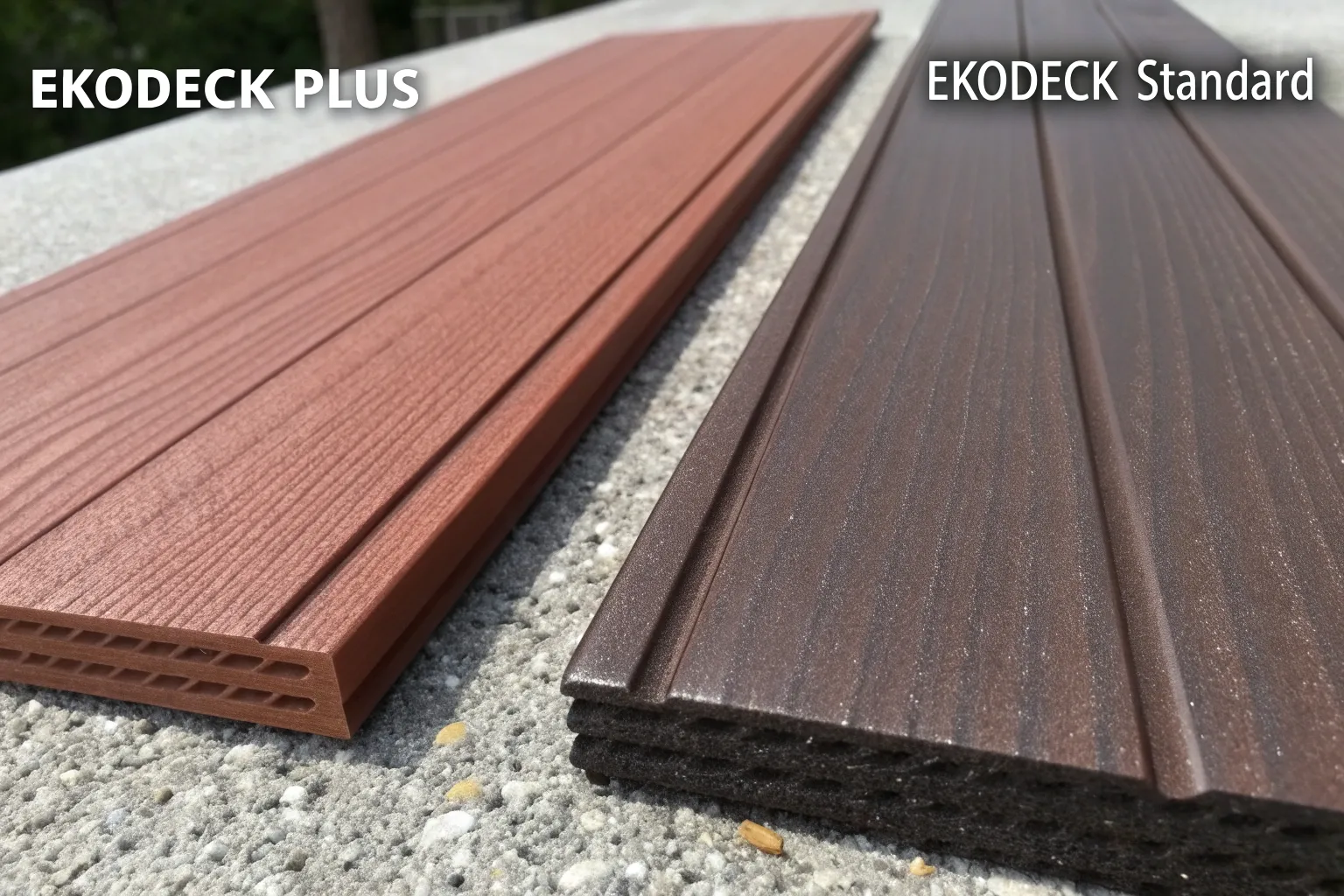
Ekodeck Plus Capping Technology Explained
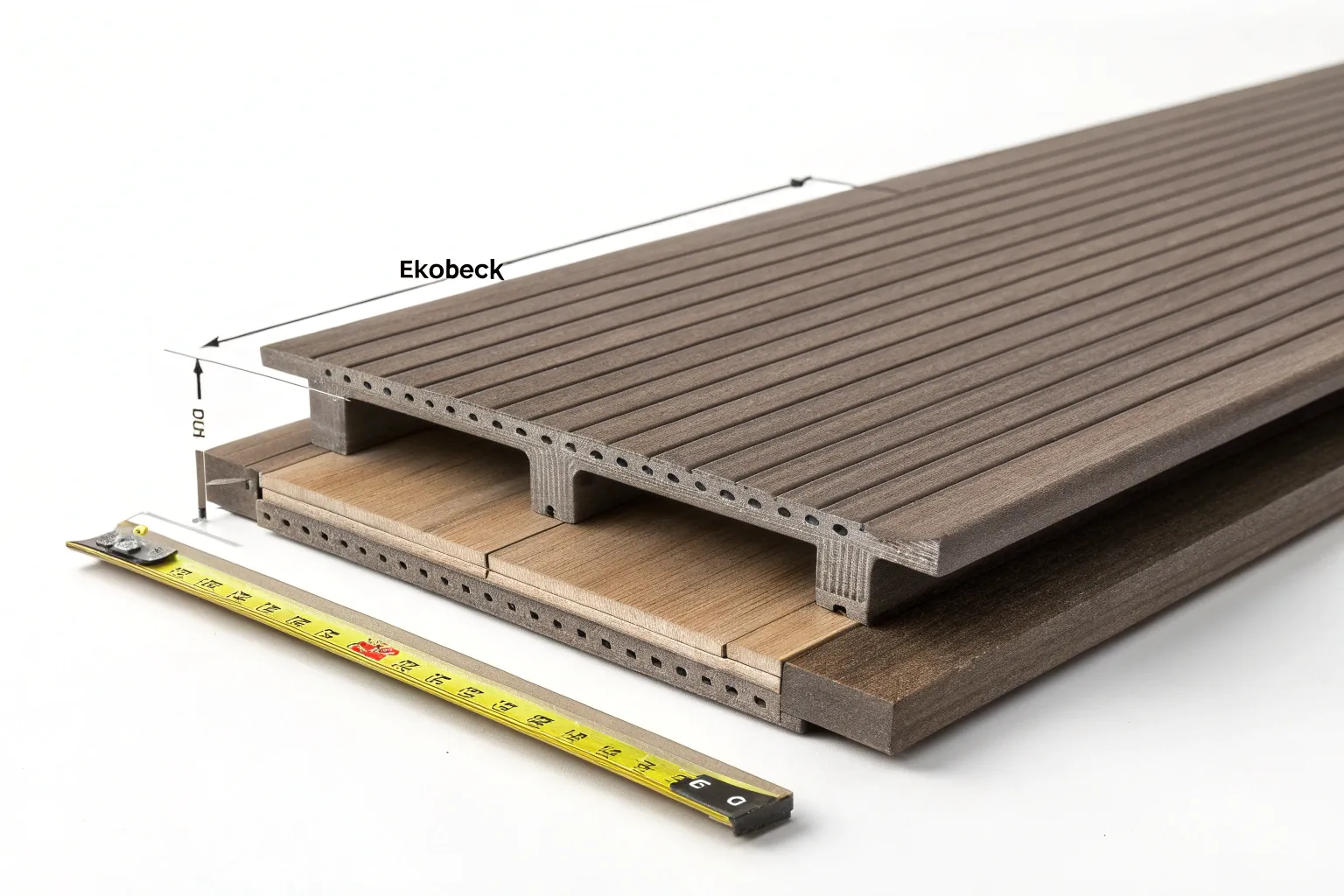
Every Ekodeck board starts from the same base: a composite core combining rice husks with polymer compounds, moulded into the same 138mm-wide, 5.4-metre board profile across both ranges. Ekodeck Plus adds a protective cap layer bonded over that core, engineered specifically to resist scratching, staining, and fading. Ekodeck Standard skips that cap layer and puts the composite core straight to work — which is exactly why it still delivers the core benefits people buy composite decking for: no sealing or oiling, no splinters, and no termite risk.
Think of the cap as a surface upgrade, not a different material. It doesn't change how the board is structurally built, installed, or ventilated underneath — it changes how the surface holds up to the things that wear a deck down cosmetically over years of use.
Performance Differences: Plus vs Standard
Where the two ranges are identical: moisture resistance, termite and rot resistance, heat behaviour by colour, structural specifications, and the complete absence of sanding, oiling, or staining. None of that changes based on which range you choose.
Where Plus pulls ahead is surface durability over time:
- Scratch resistance — the cap layer holds up better against furniture drags, pet claws, and general high-traffic wear.
- Stain resistance — spilled drinks, barbecue grease, and sunscreen are less likely to leave a lasting mark on a capped surface.
- Fade resistance — Plus is built to hold its colour longer under sustained UV exposure, which matters most on decks that sit in full sun most of the day.
None of these are dealbreakers for Standard — it's a genuinely solid, long-lasting composite board. Plus simply narrows the gap between "still looks new" and "still functions well" a few years further down the track.
Price Difference and Value Analysis
As a general planning range for the Central Coast, Ekodeck Standard typically runs $95–$120 per m² for material, while Ekodeck Plus sits at $115–$145 per m² — a premium of roughly $20–$25 per m² for the capped surface. For a full breakdown of how both ranges compare against timber over the life of a deck, see our guide to Ekodeck cost vs timber.
Where that premium earns its keep is on decks that see heavy use, sit in full sun, or double as an entertaining space where spills and scuffs are routine. On a shaded, low-traffic deck, Standard delivers the same day-to-day performance for less outlay — the cap layer is protecting against wear that simply won't happen as often in that setting.
Which Ekodeck Range for Pool Decking?
Both ranges share the slip-resistant texture and resistance to chlorine and pool splash that make Ekodeck a strong fit for pool decking — timber's swelling, splintering, and slip risk around pools simply aren't a factor with either range. The difference comes down to exposure. Pool surrounds cop constant sunscreen, chlorine residue, and near-continuous UV, which is precisely the combination Plus's capping is built to resist.
For a heavily used family pool deck, Plus is usually the better long-term choice. For a pool surround with lighter, occasional use, Standard still delivers the core slip-resistance and moisture performance that matter most around water.
Warranty Comparison: Plus vs Standard
Both ranges are backed by a manufacturer warranty against material defects. Because Plus's cap layer is purpose-built for fade, stain, and scratch resistance, its cover for those specific cosmetic issues typically extends further than Standard's — but exact terms and durations vary, so it's worth confirming the current warranty for your chosen range before you buy rather than assuming.
One thing that applies equally to both ranges: warranty cover depends on the deck being installed to the manufacturer's specification — correct joist spacing, expansion gaps, and fastening system. Cutting corners here can affect a claim regardless of whether you chose Plus or Standard. See our guide on Ekodeck DIY installation for what that involves.
Both ranges are a genuine upgrade over timber — the choice between them comes down to how hard your deck works, not whether either one performs. Browse the full Ekodeck composite decking range or call us today to talk through which fits your project.