

"Treated" is one of those words that sounds like it should worry you more than it actually needs to, especially once grandkids or a dog are going to be crawling around on the deck every day. It's a fair question to ask properly rather than take on faith, so here's what the chemicals actually are, what direct contact really means, and what the regulators who oversee this have actually found.
What "Treated" Actually Means (CCA vs ACQ Explained Simply)
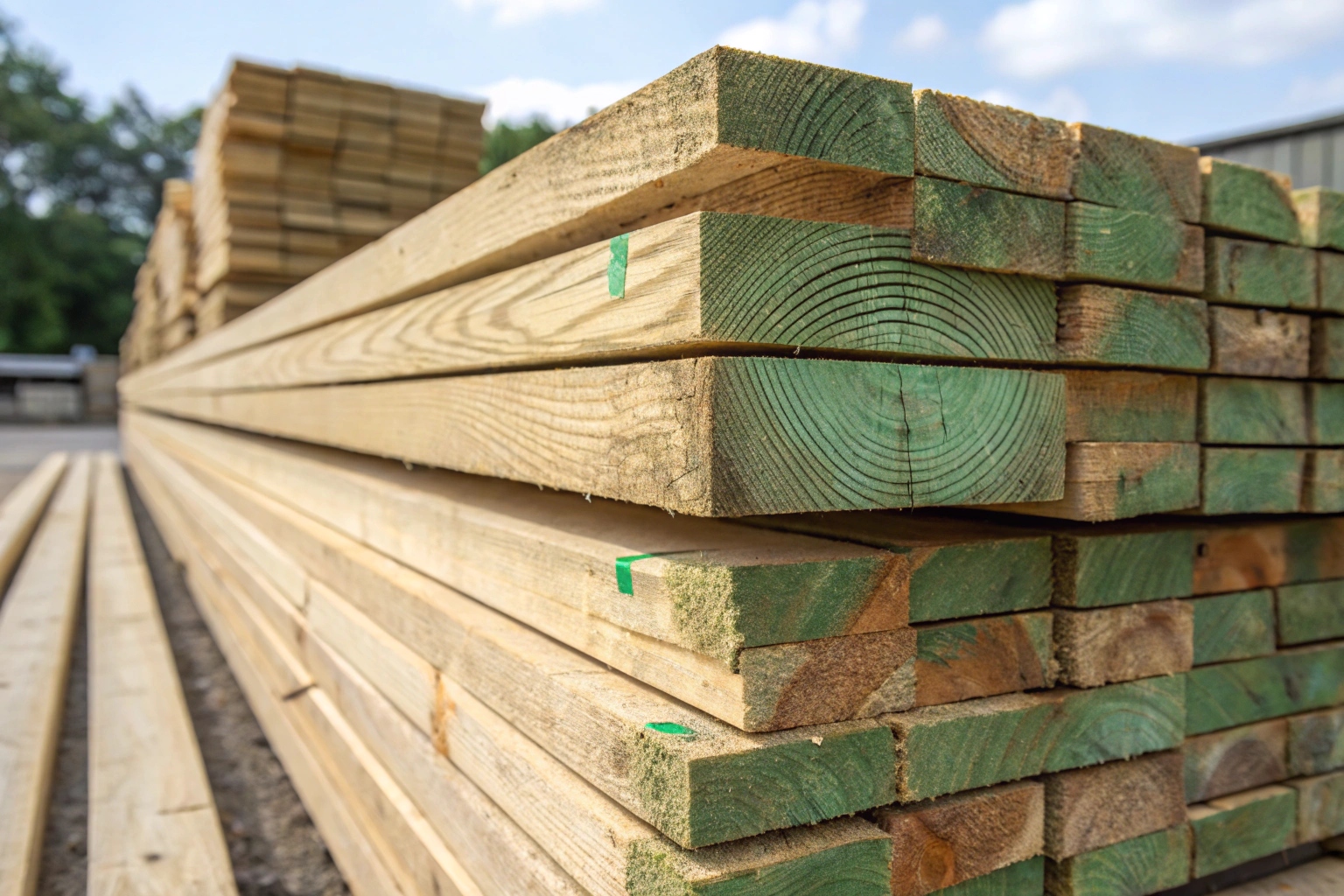
Preservative treatment forces a chemical solution deep into the timber under pressure, so the wood itself resists rot, decay and termite attack from the inside out, rather than relying on a surface coating that wears off. For decades the standard preservative was CCA — copper chrome arsenate — which worked well but contains arsenic, and that's exactly why Australian regulators restricted it in 2006 for residential uses with frequent skin contact: decking, garden furniture, and children's play equipment. Since then, the industry has moved to arsenic-free alternatives — ACQ (alkaline copper quaternary) and copper azole are the two you'll see most — which use copper and a quaternary compound as the active preservatives instead. If you're buying treated pine decking boards from a reputable supplier today, this is what you're getting; CCA is essentially gone from residential decking-grade timber in Australia.
Is There Risk From Direct Contact?
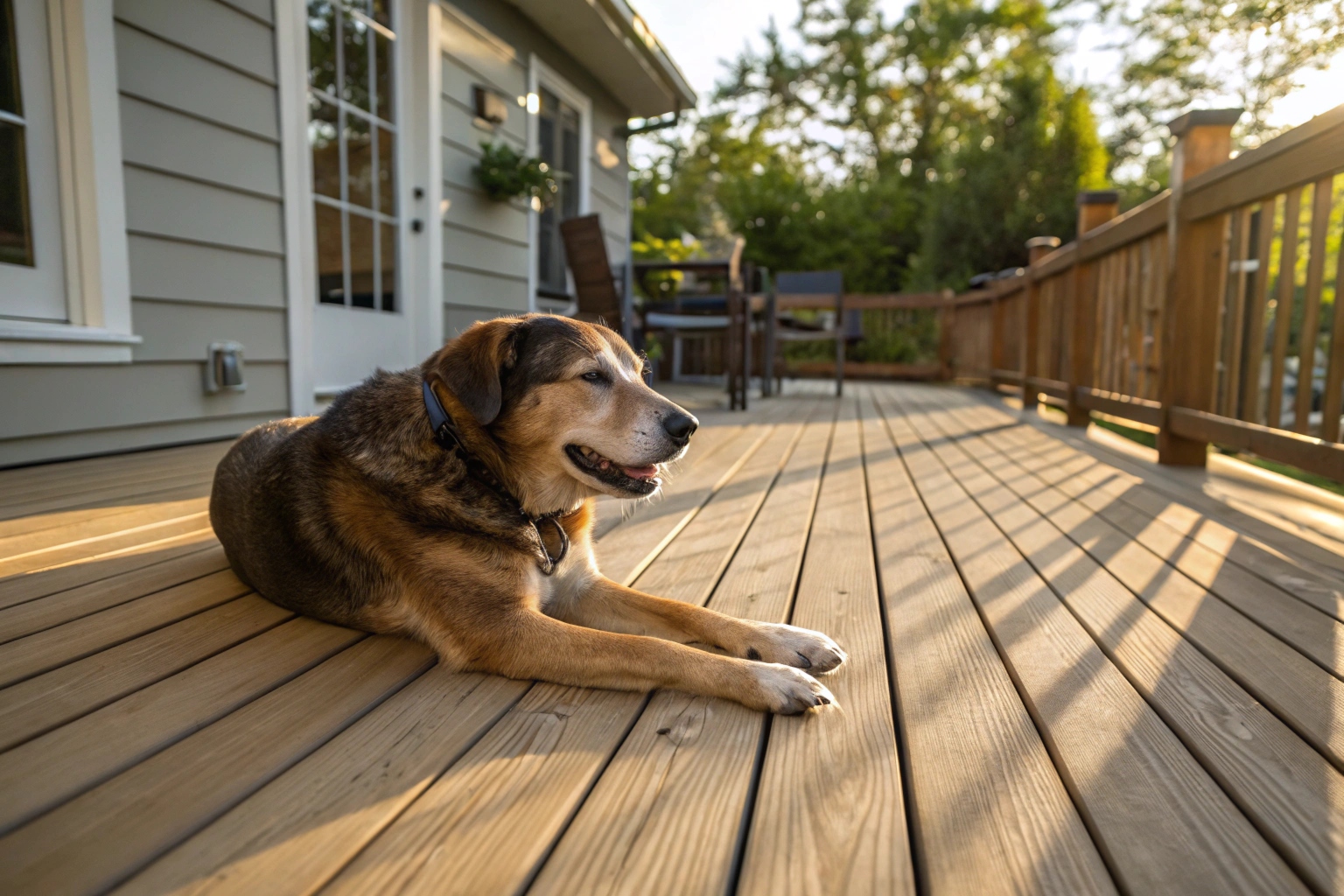
Once timber has been through treatment and fixation, the preservative is chemically bonded into the wood cell structure rather than sitting on the surface as a residue, so ordinary contact — bare feet, kids sitting or playing on it, a dog lying on it — isn't a meaningful exposure route. The activities that actually matter are the ones that break the timber down or concentrate what's in it: burning offcuts or old decking in a fire pit releases the preservative in concentrated ash and smoke and should never be done, and cutting or sanding treated timber produces dust that shouldn't be inhaled — wear a mask and work outdoors, or have it cut to length at the yard instead. For a finished deck that's just being walked on and sat on, the exposure people picture when they hear "treated" really isn't there.
Curing Time and Why It Matters for Safety, Not Just Looks
It's worth separating two different waiting periods that get conflated. Chemical fixation — the preservative reacting and locking into the wood — happens at the treatment plant, typically within days to a couple of weeks of treatment, well before the timber ever reaches a yard or your site. That's the safety-relevant timeframe, and it's already done by the time you buy the boards. The much longer wait we've mentioned in other posts, around six to twelve months before the first stain or oil, is about moisture drying and timber movement, not chemical safety — the boards are safe to use from day one; you're only waiting on that longer timeline for the finish to hold properly.
What the Research and Standards Actually Say
Treated timber sold in Australia has to meet AS 1604, the Australian Standard covering preservative treatment and hazard classes, and which preservatives can be used at all is separately regulated by the APVMA. The 2006 restriction on CCA for high-contact residential uses came directly out of a health-risk review of arsenic exposure — which is exactly why the industry shifted to copper-based alternatives for anything people, kids or pets touch regularly. Modern ACQ and copper azole treated pine is the same category of timber used in playground equipment and public recreational structures, which is about as direct an endorsement of "safe for regular contact, including by kids" as a regulated building product gets.
Simple Precautions Worth Taking Anyway
None of this means zero caution is warranted — it just means the caution should be pointed at the right things. Don't let kids or pets get into the habit of chewing or gnawing on the timber, the same as you'd apply to any building material. Never burn offcuts, sawdust or old treated boards in a fire pit, chiminea or bonfire. If you're cutting boards on site, wear a dust mask and work outdoors, or hose the area down afterwards. And if you've inherited an older deck of unknown age, anything built well before 2006 is worth asking about specifically, since it's more likely to be genuine CCA-treated timber — that's a different conversation to a deck built today with current ACQ or copper azole pine, and if you're planning a new build it's simply not something you need to worry about.
Got questions about the timber going into your new deck, or want an older deck looked at? Get in touch for a straight answer.