Matching Existing Structures
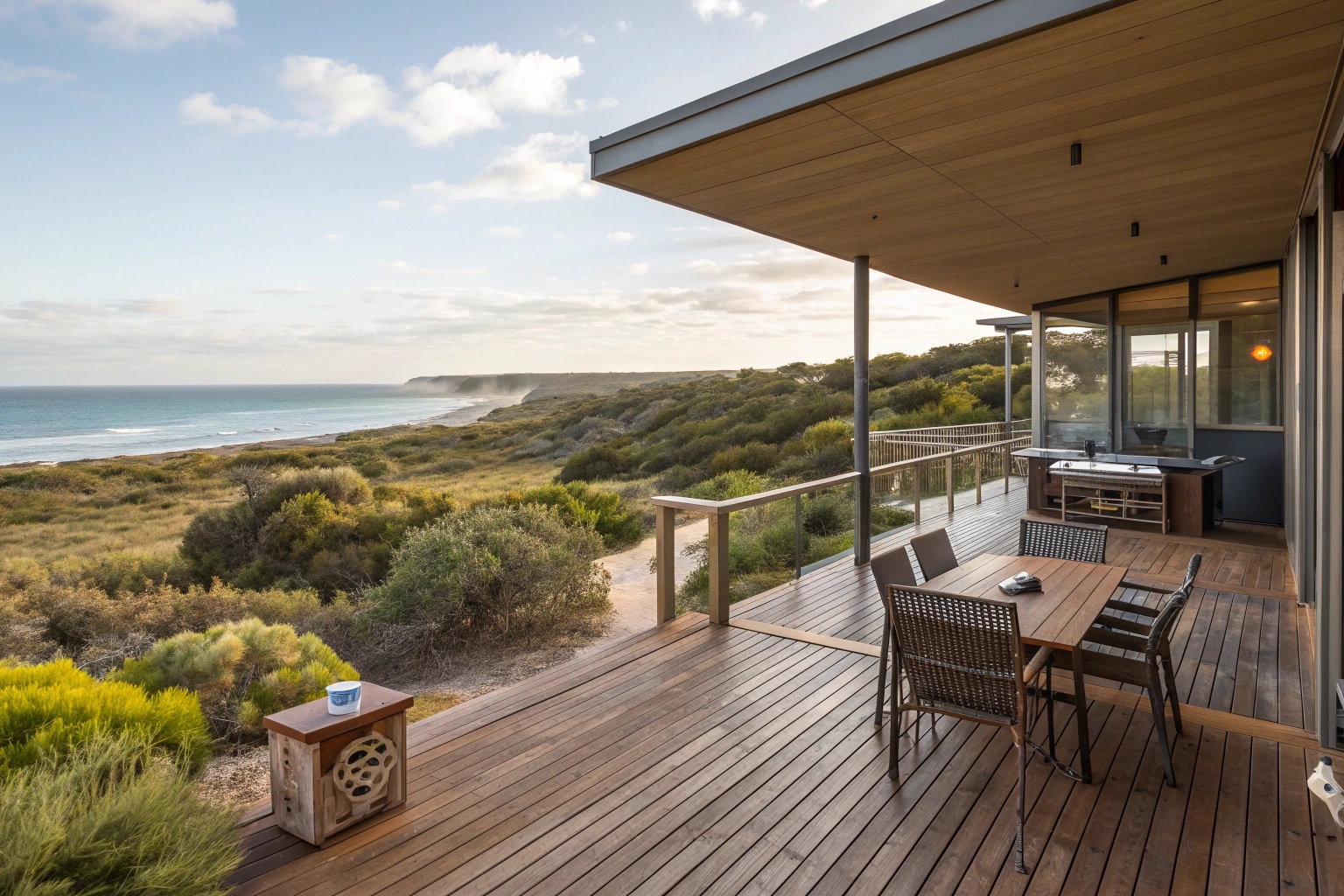
This is where deck extensions get tricky, and it’s why you need someone who knows what they’re doing. Your existing deck’s been sitting there for ten, fifteen, maybe twenty years. The timber’s weathered, the colour’s changed, and good luck finding the exact same product at the hardware store – they’ve probably stopped making it. We deal with this all the time. First thing we do is assess what you’ve got. We need to know the timber species, the board dimensions, the joist spacing, all of it. Then we figure out the best approach to blend the new work with the old. Sometimes we can source reclaimed or aged timber that matches pretty closely. Other times, we’re using new materials but treating them to blend in. There’s tricks to it – weathering treatments, staining techniques, even strategically placing the new section so the colour difference isn’t obvious. Structural integration’s the bigger challenge, honestly. Your existing deck’s settled into its foundations, the frame’s taken its shape. When we add an extension, we need to tie into that existing structure without compromising either section. Wrong fasteners, poor connection points, mismatched load distribution – any of that creates problems down the track. Height and level matching matters too. If the new section’s even slightly off-level from the old deck, you’ll notice it every time you walk across. Water won’t drain properly either, which is asking for timber rot in the coastal climate. Sometimes the smart move is refinishing the entire deck after the extension’s done. Sanding everything back and applying fresh stain or oil means the whole surface looks cohesive. Costs a bit more upfront but the result’s worth it.
Extension Process
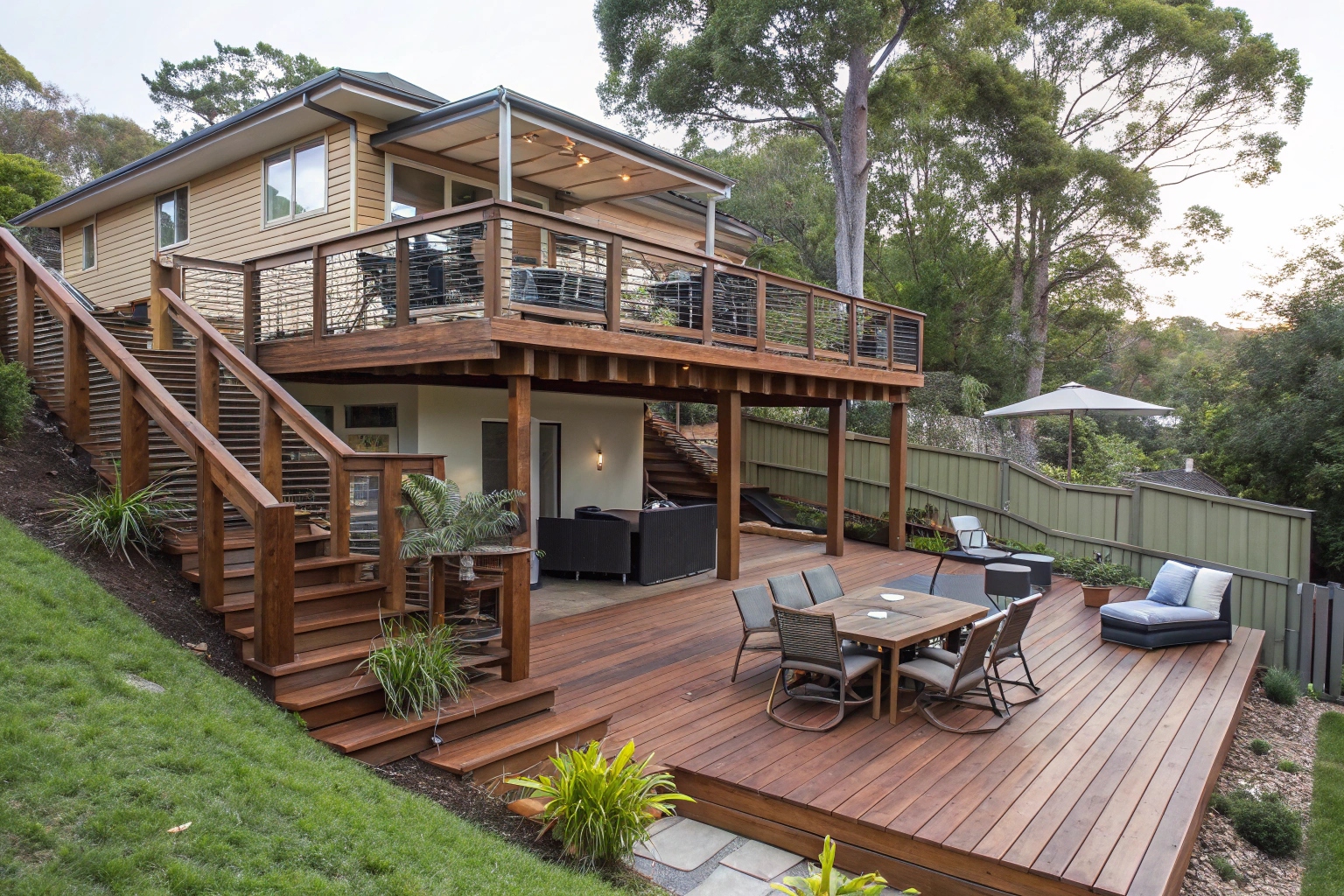
We start with a proper assessment of your existing deck. No point planning an extension if the current structure’s got issues. We’re checking for rot, termite damage, structural weakness, dodgy connections – anything that needs fixing before we add more load to it. Structural evaluation comes next. Your deck was built to handle a certain weight. Adding an extension means more people, more furniture, potentially a spa or outdoor kitchen. We calculate the additional load and make sure your existing posts, beams, and foundations can handle it. Sometimes we need to add extra support posts or reinforce the existing frame. Design planning’s where we figure out exactly how the new section connects to the old. We’re matching heights, working out how the boards will run, planning joist directions, deciding on connection methods. This bit takes time because getting it wrong means the extension looks tacked-on rather than integrated. Council approval might be needed depending on the size of your extension. Central Coast Council’s pretty specific about structural additions. We handle the paperwork, sort the engineering certificates if required, and make sure everything’s compliant before we touch a tool. Construction’s planned to minimise disruption. We’re working on your property while you’re still living there, so we keep work areas contained, clean up daily, and try not to block access to your house or yard for longer than necessary. Final step’s the refinishing work. We sand, stain, or oil the entire deck so old and new sections match. Some clients want just the new section finished to match the old, others prefer refreshing everything. Either way, you end up with a deck that looks intentional, not pieced together.
Local Considerations
Central Coast Council’s got specific rules about deck extensions, and they’re not mucking around. Any structural addition that increases the deck’s footprint usually needs approval, especially if you’re going over a certain size or building close to boundary lines. We know the regulations and we know which extensions trigger council involvement. Structural compliance matters more with extensions than people think. You’re not just adding boards – you’re modifying a load-bearing structure. Engineering certification might be required, particularly for multi-level additions or extensions on steep coastal blocks where soil stability comes into play. Termite inspections often get flagged during the approval process. Council wants to know your existing deck’s sound before you extend it. Makes sense – no point building on top of timber that’s already being eaten away. We organise these inspections as part of the process so there’s no surprises holding up your project. Coastal durability’s critical for the new sections. Salt air, UV exposure, moisture from sea breezes – the Central Coast environment’s tough on timber. Whatever materials we use for your extension need to match or exceed the durability of your existing deck. Using inferior products just to save a few hundred bucks means you’ll be replacing boards in five years instead of twenty.
Frequently Asked Questions About Deck Extensions
Depends on size, materials, and complexity. Simple extensions adding a couple of meters might run $5,000-$10,000. Larger multi-level additions with matching timber and refinishing the whole deck can hit $15,000-$25,000. We provide detailed quotes after assessing your existing deck and understanding what you want.
Usually, yes. We source aged or reclaimed timber, use weathering treatments, or strategically place new sections. Sometimes refinishing the entire deck after extension gives the best result. We’ll show you options during the consultation.
Depends on the size and location. Extensions increasing overall deck area, building near boundaries, or adding structural levels often need approval. We assess your specific situation and handle the paperwork if required.
Most extensions take 1-2 weeks from start to finish, depending on size and complexity. Multi-level additions or projects requiring council approval take longer. We give you realistic timelines upfront.
Absolutely. We design extensions specifically to accommodate spas, outdoor kitchens, or BBQ areas. The structural support needs proper planning – spas are heavy and outdoor kitchens need specific load considerations.
We identify problems during the initial assessment. Minor issues get fixed as part of the extension work. If the existing deck’s seriously compromised, we’ll discuss whether repair and extension makes sense or if partial replacement is smarter.
We extend both timber and composite decks. Composite’s trickier because you need to match the specific product line, but we’ve got experience with most major brands used on the Central Coast.
Ready to Extend Your Deck?
Book a free consultation and deck condition assessment. We’ll visit your property, evaluate your existing deck, discuss your ideas, and provide a detailed quote for your extension project. Call us today or fill out our contact form. Let’s create the outdoor space your Central Coast property deserves – without the cost and hassle of starting from scratch. Phone Decking Central Coast: 0240036404 Email: info@deckingcentralcoast.com.au Servicing: Terrigal, Avoca Beach, Gosford, Copacabana, and all Central Coast areas